
According to a February 26, 2026 report in the Beijing Daily, Beijing Subway Line 10 is undergoing signal system upgrades. Following the upgrade, Line 10 will adopt a heterogeneous double union signal system based on “CBTC+PB-TACS.” The two signal systems can seamlessly switch between each other, ensuring safe and uninterrupted train operations.
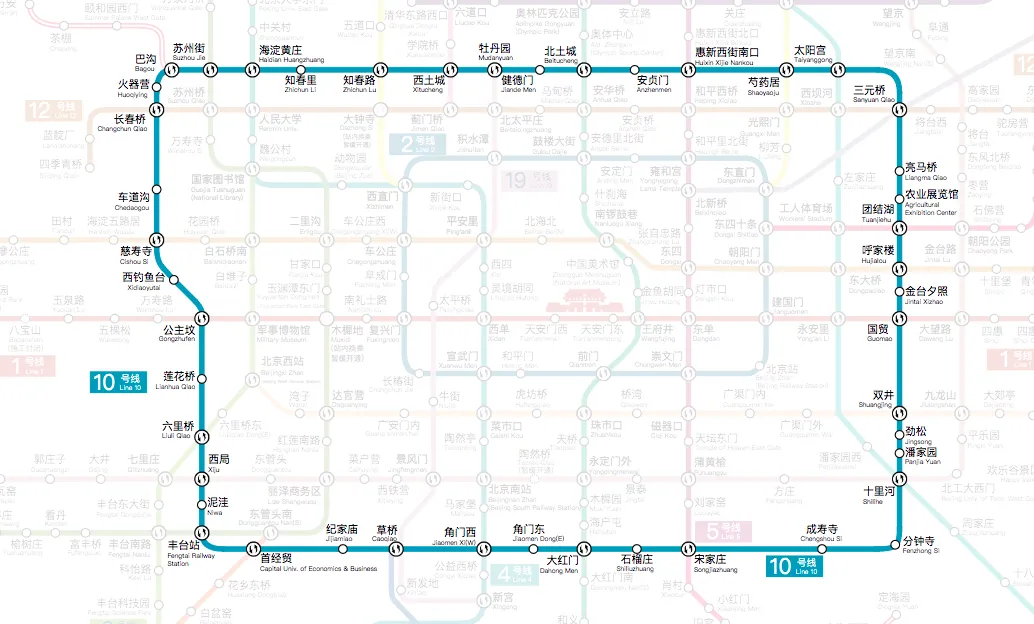
Beijing Subway Line 10 opened in 2008 and has consistently ranked first in Beijing's subway ridership statistics. It was China's first subway line to adopt CBTC (CommunicationBased Train Control) technology, which has been in operation for nearly 20 years.
Following the signal system upgrade, Line 10 will utilize CBTC as its primary system and PB-TACS (Perception-Based Train Autonomous Control System) as its backup system. Both systems will operate simultaneously in a hot spared redundancy configuration.
The signaling system for this major renovation project is provided by Traffic Control Technology Co., Ltd. As a leading enterprise in China's rail transit signaling systems, TCT has dedicated itself to the independent R&D of core technologies such as CBTC and FAO. Among these, the PB-TACS system stands as the core achievement of the fifth-generation urban rail signaling system, having achieved engineering implementation and large-scale application. Its deployment on Beijing Subway Line 10—a route handling exceptionally high passenger volumes—will further validate its operational stability under high-density, high-traffic conditions. This marks a significant practical application for the company in the field of existing line upgrades.
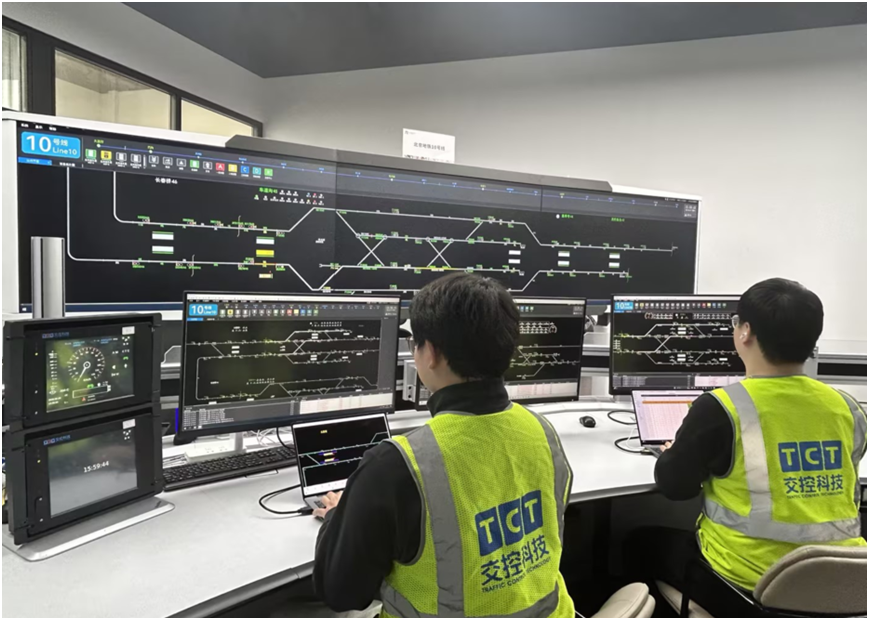
Yu Ke, Chief Engineer of the Communications and Signaling Branch at Beijing Subway Operation Co., Ltd., explained that when the primary system fails, train drivers within the affected area can switch to the backup system with one-click switch to continue safely controlling trains for efficient operation. This significantly enhances the system's operational resilience and reliability. “The adoption of a heterogeneous double union system architecture maximizes the operational stability and reliability of Line 10's signaling system, providing the most robust foundation for its stable operation.”
In the future, TCT will continue to empower intelligent and safety upgrades to rail transit systems by providing high-quality technology and services. This will contribute to the high-quality development of urban public transport.
Note: Some content is sourced from the Beijing Daily.


+852-60606742

TCT Building, No.3 Zhicheng North Street, Fengtai District, Beijing 京ICP备11000314号 京ICP备11000314号-1